
Information Technology Environment Sustainable Governance (ITESG)

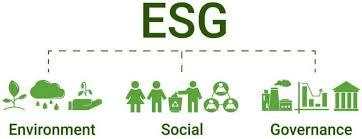
Board oversight continues to grow as Environment Social Governance is becoming a major strategic imperative, especially for large and public organisations. ESG has emerged to become not only one of the hottest issues of our time, as a result, it is expected that ESG become a growing part of the information technology (IT) which compels boards to govern IT’s role in environment and social sustainability. This article focuses on the merger of ESG and IT Governance and the role of the Board in overseeing Information Technology Environment Social Governance .
ESG is a tool that allows organisations to:
(i) generate business value,
(ii) generate capacity to support, recover and prevail, and (iii) design strategies with greater economic and ecological responsibility.
Thus, IT Governance is a tool that allows organisations to:
(i) improve their effectiveness andefficiency,
(ii) have a competitive advantage, and
(iii) maximise opportunities and manage risks.
That is to say, the two trends merge with the intention of contributing to the evaluation, directing and monitoring of IT practices in organisational processes and activities from an ES viewpoint. The aim is to reduce or minimise the environmental impact by seeking optimisation of resources, strategic alignment, generation of value and risk management.
Why Information Technology Environment Sustainable Governance
Data Centre Energy usage and sourcing: data centres continue to raise energy demands putting greater pressure on the need to source energy requirements sustainably.
Redundancy and unsustainability: The hardware-software development cycle forces organisations to upgrade their infrastructure unnecessary at times.
IT Supply chain partners emissions: Building and optimising relationships with IT suppliers to reduce IT emissions will be key to driving better supply chain ESG performance
Replacement versus repair: The right to repair movement is gaining traction and organisations are also likely to come under further pressure from the public and governments to use more sustainable and recyclable materials in their products.
Automation and Job Displacement: While automation has the potential to increase productivity and efficiency, it also threatens to disrupt traditional employment models and exacerbate income inequality.
Digital Divide and Inequitable Access: The digital divide remains a persistent challenge, with significant disparities in access to IT and digital literacy across populations
IT Socio and Economic Impact : Increase IT procurement from local Black ICT suppliers to support employment creation.
Educating customers about the role they can play in creating a more circular economy and facing the growing e-waste problem.
Boards oversight of ESITG
The responsibility for the oversight of an organisation’s IT sustainability and environmental, social, and governance (ITESG) matters lies firmly with the board of directors. What can boards do to oversee ITESG? Boards should:
- Ensure the inclusion of ITESG into IT Governance Framework and guide organisational structures, processes and practices
- Provide a consistent integrated and aligned EISTG approach, overseen effectively and transparently; compliant with legal, contractual and regulatory requirements.
- Ensure that stakeholders are informed and supportive of the ITESG strategy and road map and the basis for reporting is established to increase performance.
- Ensure that ITESG risks form part of enterprise risks and are continuously evaluated, managed and monitored for potential compliance failures.
- Define metrics and targets to be used assess and manage ITESG key performance indicators to monitor the effectiveness of the organisation’s ITESG
According to some reports, only a few organisations have established governance frameworks mandating the reporting of the enterprise IT Environment Social Governance. In addition, most organisations do not extend disclosure requirements to their IT vendors.
The challenge in most company boards is understanding a holistic view of ITESG and what they can do about it. There is no one size fits all but organisational collaboration, sharing and learning is encouraged in the uncharted territory of ITESG.